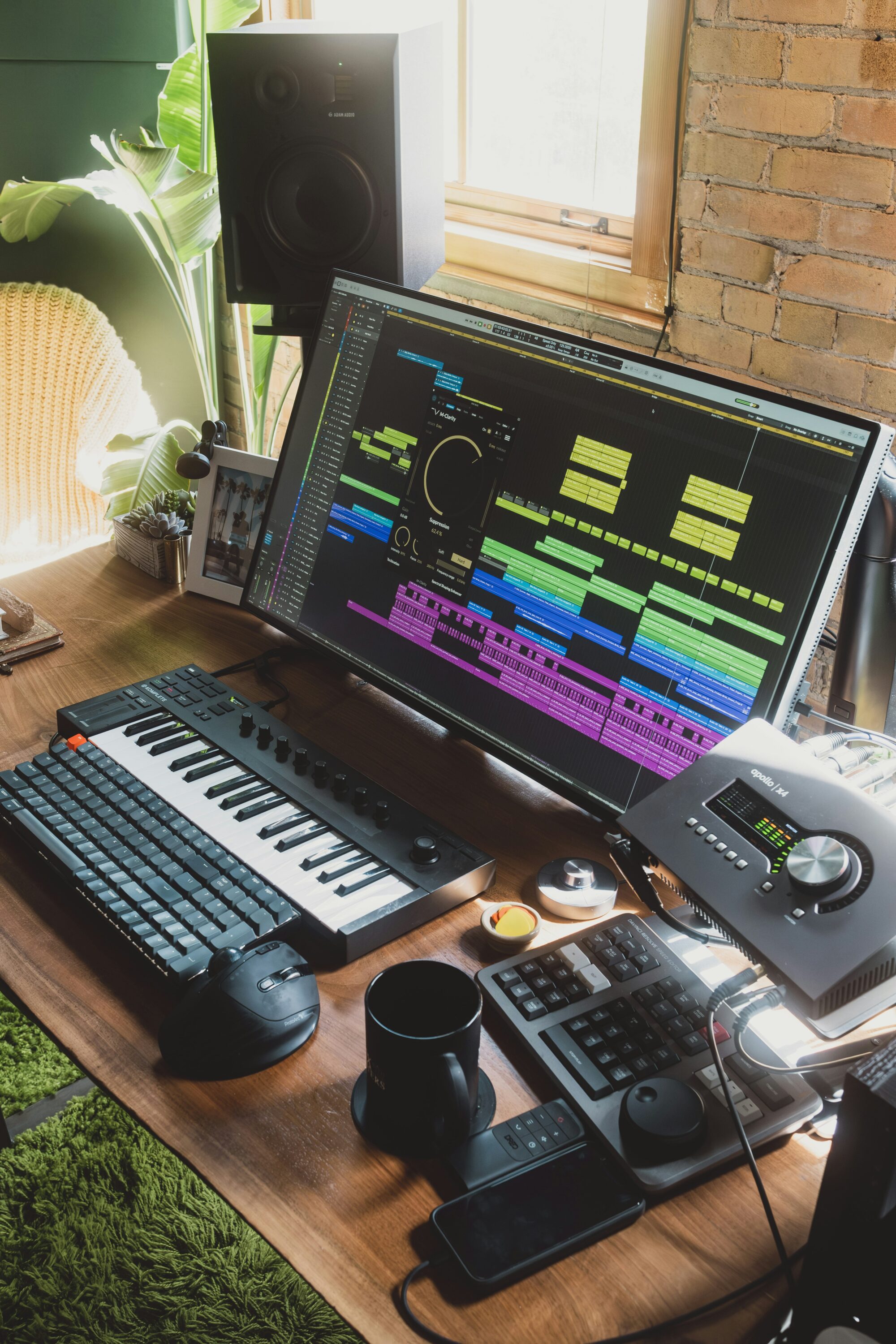
Finding the right Digital Audio Workstation (DAW) can be a deeply personal journey. Every artist, producer, and engineer has unique needs, and the DAW you choose will shape how you create, record, and mix your music for years to come. At Grn Studios, we understand that choosing software can feel overwhelming, so we’ve crafted this calm and thorough guide to help you make an informed, confident decision.
Why Choosing the Right DAW Matters
A DAW is more than a piece of software—it’s your creative home. It’s where you capture performances, shape sounds, and bring ideas to life. Selecting a DAW that aligns with your goals can save you countless hours of frustration and ensure you enjoy every part of your creative process.
Ask yourself a few questions before you begin:
- Do I want to produce music professionally or as a hobby?
- Will I focus on recording live instruments, electronic production, film scoring, or a mix of everything?
- Do I need immersive audio support like Dolby Atmos, or will stereo and standard surround formats be enough?
Your answers will guide you toward a DAW that supports your ambitions.
Our Top 10 DAW Recommendations for 2025
1. Avid Pro Tools Ultimate – The industry standard for professional studios. Perfect for large sessions, orchestral work, and post-production. Its integrated DSP hardware and smooth control surface integration make it a top choice for engineers aiming to work on major productions.
Price: £599 per year subscription – Website
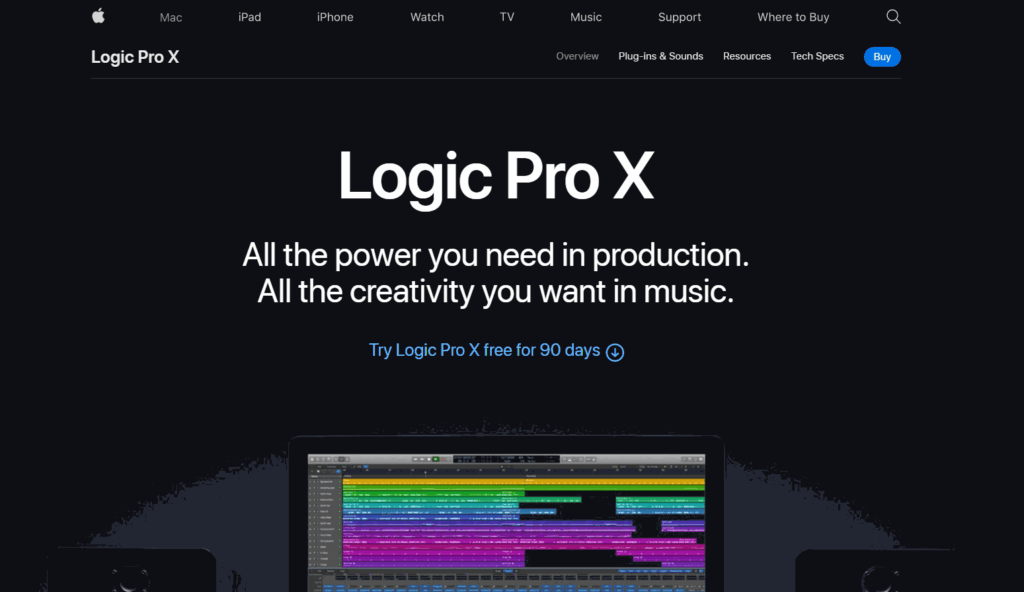
2. Apple Logic Pro X – A powerhouse for Mac users, combining professional recording, mixing and mastering tools, a huge library of sounds, virtual instruments, seamless integration with iOS devices and Dolby Atmos support make it perfect for songwriters, producers, and film scorers alike.
Price: £199 – Website
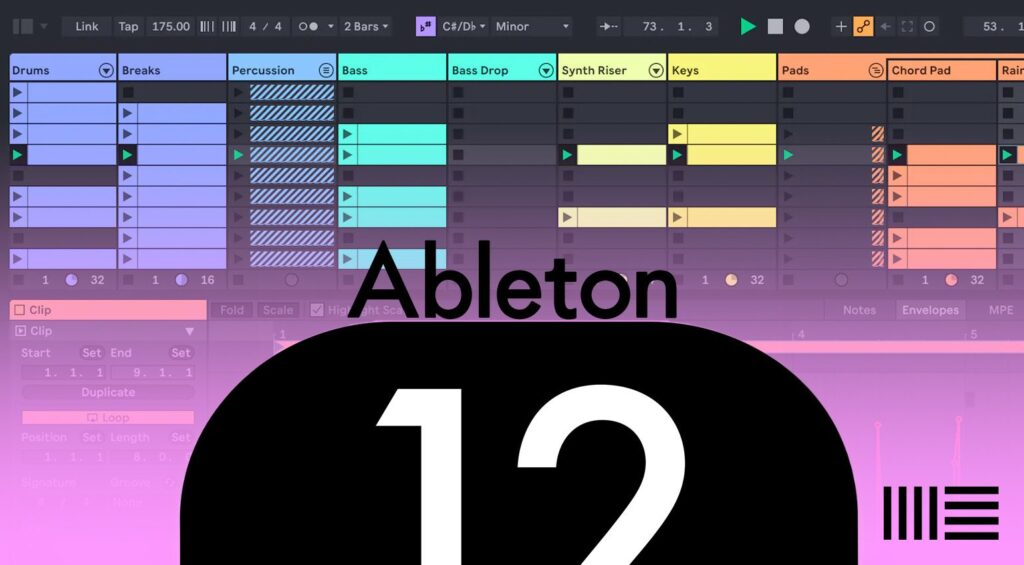
3. Ableton Live 12 Suite – The ultimate hybrid DAW for live performance and studio creativity. Its Session View invites spontaneous composition and real-time experimentation, making it ideal for musicians who love to improvise on stage or in the studio.
Price: £539 – Website
4. PreSonus Studio One 7 Professional – A complete solution from recording to mastering. Studio One excels in metadata handling, DDP creation, and seamless project updates, offering an efficient workflow for independent producers and engineers.
Price: £349 – Website
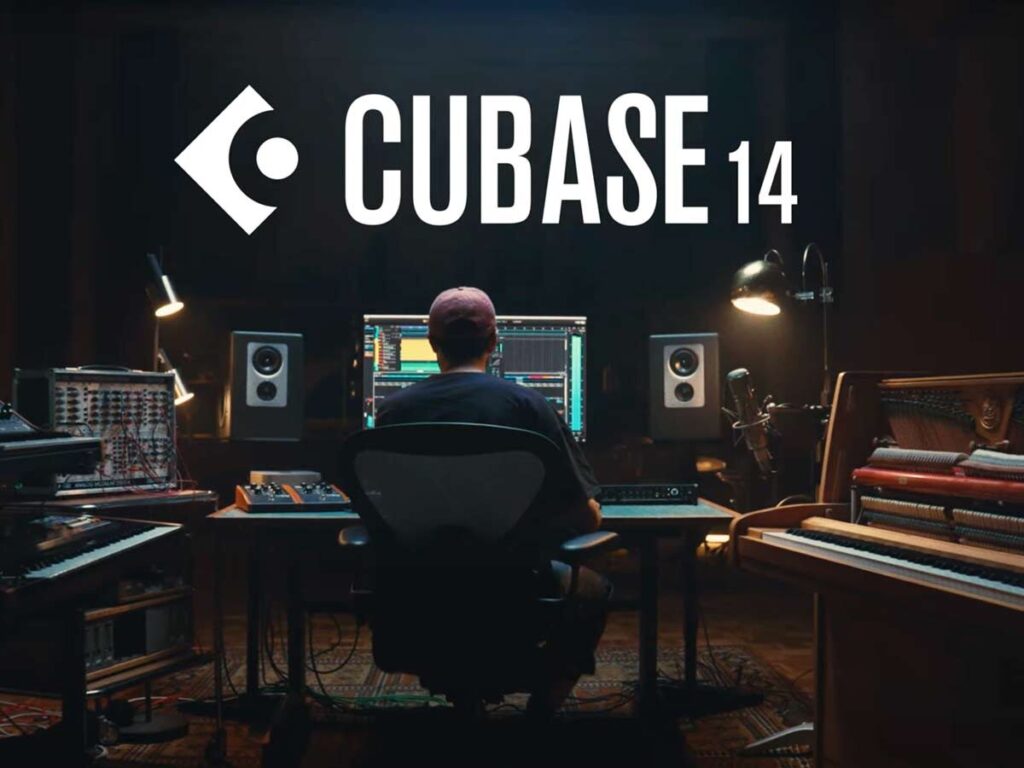
5. Steinberg Cubase Pro 14 – Favoured by composers and producers who need immersive audio tools. With integrated Dolby Atmos rendering and versatile editing features, Cubase transforms your computer into a serious mixing and composition powerhouse.
Price: £499 – Website
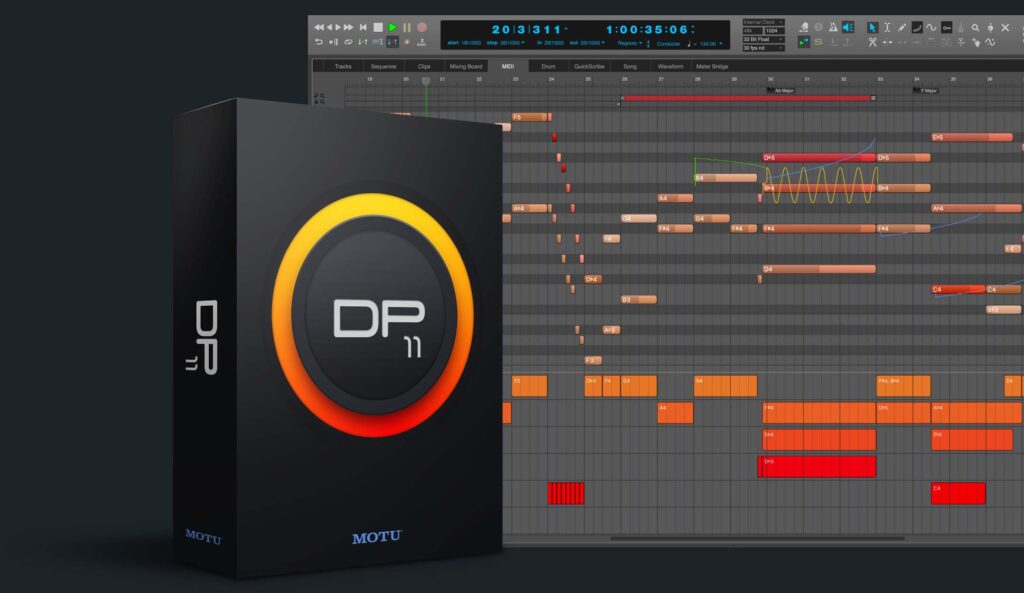
6. MOTU Digital Performer 11 – Trusted by media composers for decades. Lightweight on your computer yet feature-rich, DP11 offers V-Racks, robust notation tools, and always-on recording, making it perfect for scoring and complex arrangements.
Price: £395 – Website
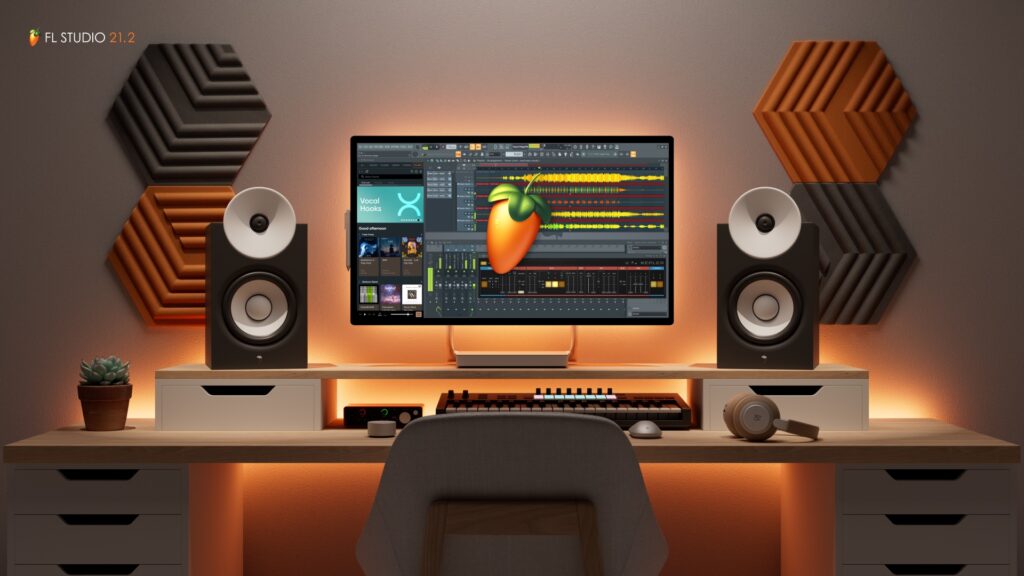
7. Image Line FL Studio All Plugins Edition – A cost-effective, lifetime-upgrade DAW beloved by electronic producers. Its intuitive piano roll, integrated pitch and time correction, and extensive bundle of instruments make it a powerhouse for beat-making and arrangement.
Price: £429 (lifetime free updates) – Website
8. Reason Studios Reason 13 – A sound designer’s dream with a fully customisable virtual rack and a new Mimic Creative Sampler. It also works as a plug-in within other DAWs, adding enormous value to any producer’s toolkit.
Price: £499 – Website
9. Bitwig Studio 5.3 – Designed for the adventurous creator. Its modular environment, deep modulation system, and multi-segment envelope generators offer a playground for experimental sound design and unconventional workflows.
Price: £399 – Website
10. Steinberg Nuendo 14 – A top-tier choice for film, TV, and game audio post-production. It includes Dolby Atmos and MPEG-H rendering, ADR tools, and seamless video integration, making it a serious competitor to Pro Tools for cinematic projects.
Price: £859 – Website
Choosing Your DAW
While each DAW has unique strengths, they all share the same foundation: capturing, editing, and mixing audio. The right choice depends on your workflow, creative goals, and budget. Remember, there’s no single “best” DAW—only the one that fits you best.