A/D and D/A Converters: The Quiet Guardians of Your Sound
In the world of music production, there is an invisible bridge between your heartfelt performance and the final mix you hear through your speakers. This bridge is built by A/D (Analog-to-Digital) and D/A (Digital-to-Analog) converters. They work silently in the background, yet they shape every note, breath, and nuance in your recordings. Understanding how they function can unlock cleaner, more accurate audio and give you confidence in your creative decisions.
The Role of Converters in Music Production
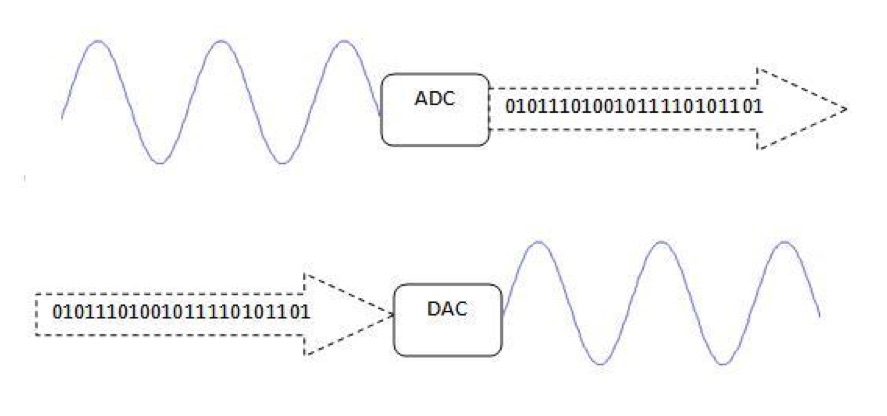
When you sing into a microphone or strum a guitar, you create a continuous analog signal, a smooth wave of electrical energy. To record it on your computer, an A/D converter steps in, measuring that signal thousands of times per second and turning it into digital numbers. Later, when you hit play, a D/A converter transforms those numbers back into a continuous signal that moves your speakers or headphones, letting you hear your music as real sound again.
Without this process, there would be no digital music production. And if the conversion is poor, whether due to noise, distortion, or timing errors, you will hear it in your recordings and your mixes.
Why Conversion Quality Matters
Quality converters ensure that what you record is faithfully preserved and what you hear is accurate. If your A/D conversion is noisy or imprecise, you lose detail right from the start. If your D/A playback is unclear, you might make mixing decisions based on a false impression of your sound.
Three major factors influence converter performance:
- Sampling Rate: How many times per second the analog signal is measured.
- 44.1 kHz is standard for music.
- 48 kHz is common in video projects.
- 96 kHz or higher provides more flexibility for heavy processing.
- Bit Depth: How precisely the amplitude of each sample is stored.
- 16-bit is CD quality, with limited dynamic range.
- 24-bit is standard in music production, offering quieter noise floors and more headroom.
- Clocking and Jitter: Timing errors in conversion can blur stereo imaging or create subtle distortion. High-quality converters use stable clocking for consistent results.
Real-World Applications
You encounter converters in many forms:
- Audio Interfaces: These combine A/D and D/A conversion with microphone preamps and computer connectivity.
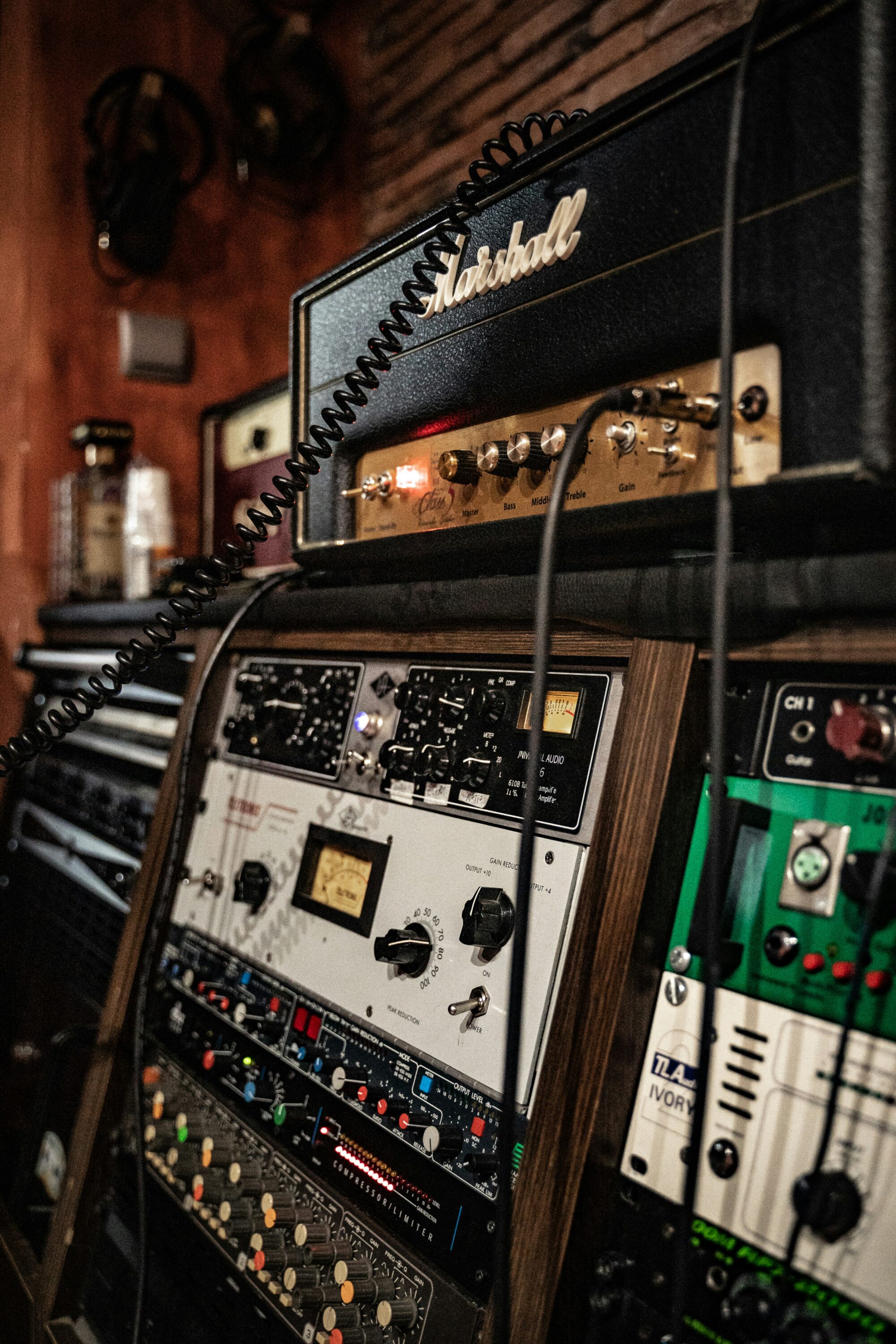
- Standalone Converters: Used in professional studios for mastering-level precision.
- Digital Mixers & Samplers: Include built-in converters to handle analog sources.
Even budget interfaces today offer surprisingly good performance, but higher-end units provide lower noise, better clocking, and more transparent sound.
Tips for Getting the Best Results
- Record at 24-bit depth to give yourself plenty of dynamic range and forgiving gain staging.
- Choose the right sample rate for your needs, 44.1 or 48 kHz is enough for most projects.
- Avoid clipping peaks around -12 to -6 dBFS are safe and clean.
- Maintain clean monitoring a good D/A stage ensures you hear your mix accurately.
- Use dither when reducing bit depth to preserve low-level detail.
By following these principles, you can capture and reproduce audio with a clarity that will elevate your entire production.
The Calm Confidence of Good Conversion
When your converters are performing well, your studio feels like a trustworthy space. You can focus on music instead of second-guessing your recordings or mixes. High-quality converters don’t just make things sound better, they remove uncertainty, giving you the peace of mind to create with freedom.
Your music deserves that care. If you honour the signal from the moment it leaves the microphone to the moment it meets your ears, you will hear the difference in every note.